Understanding Commercial Refrigeration
In the modern food service landscape, the significance of commercial refrigeration cannot be overstated. From bustling restaurants to expansive supermarkets, refrigerated systems are the backbone of food safety and operational efficiency. But what exactly constitutes commercial refrigeration, and why is it essential?
What is Commercial Refrigeration?
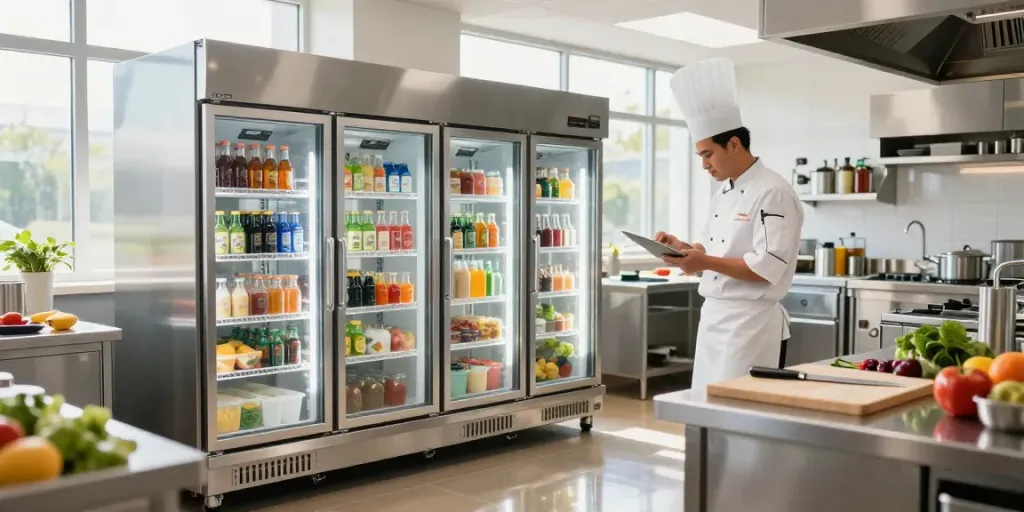
Commercial refrigeration refers to the specialized cooling equipment designed for restaurants, supermarkets, warehouses, and other commercial environments. Unlike residential refrigerators, these systems are built to cater to high-volume storage needs, ensuring that perishable goods maintain their freshness for longer periods. Examples include walk-in coolers, display cases, and blast freezers, each tailored for specific applications.
The Importance of Proper Refrigeration in Food Safety
Food safety is paramount in any food service operation, and proper refrigeration plays a critical role in preventing spoilage and the growth of harmful bacteria. According to the USDA, food should be stored at temperatures below 40°F (4°C) to inhibit bacterial growth. This makes the selection and maintenance of reliable commercial refrigeration systems essential for compliance with health regulations and ensuring customer safety.
Types of Commercial Refrigeration Systems
- Reach-In Refrigerators: Ideal for restaurants, these units allow easy access to ingredients without opening large doors.
- Walk-In Coolers: Perfect for large-scale operations, providing ample storage for bulk ingredients.
- Display Cases: Commonly found in retail settings, these showcase products while keeping them at safe temperatures.
- Ice Machines: Critical for bars and restaurants needing consistent ice supply for drinks and food preservation.
Key Components of Commercial Refrigeration Systems
Understanding the components that make up commercial refrigeration systems is vital for any business owner looking to invest in these technologies. When exploring options, Commercial Refrigeration websites provide comprehensive insights on various models and features to consider.
Understanding Refrigeration Cycles
The refrigeration cycle is a process where heat is removed from one area and transferred to another, often involving the use of refrigerants. This cycle typically includes four main stages: compression, condensation, expansion, and evaporation. Understanding this cycle helps businesses grasp how their refrigeration units function and what might affect their efficiency.
Essential Parts of Refrigeration Units
- Compressor: Acts as the heart of the system, compressing refrigerant to circulate through the system.
- Evaporator Coils: Responsible for absorbing heat, facilitating the cooling process.
- Condenser Coils: Release heat absorbed by the evaporator to the outside environment.
- Expansion Valve: Regulates the flow of refrigerant into the evaporator, ensuring efficient operation.
Choosing the Right Equipment for Your Business
When selecting commercial refrigeration equipment, businesses must consider several factors, including size, energy efficiency, and specific use-case scenarios. For example, a high-volume bakery may require multiple reach-in refrigerators, while a grocery store might benefit from a walk-in cooler. Evaluating the unique needs of your operation is essential for making an informed decision.
Best Practices for Maintenance and Efficiency
Maintaining refrigeration equipment is not just about extending lifespan but also about ensuring optimal performance and energy efficiency. Regular maintenance routines can significantly reduce unexpected breakdowns and costs over time.
Regular Maintenance Routines to Ensure Performance
Implementing a maintenance schedule is crucial for any business using commercial refrigeration systems. This should include checking the door seals for integrity, cleaning the condenser coils, and ensuring that temperature settings are accurate. A proactive approach can minimize costly repairs and enhance the lifespan of the equipment.
Common Issues and How to Troubleshoot Them
Businesses may encounter common refrigeration issues such as fluctuating temperatures, unusual noises, or leaks. Understanding how to troubleshoot these problems can save time and money. For instance, if a refrigerator is not cooling adequately, check the evaporator fan and condenser coils, as these are often the culprits.
Energy-Efficient Practices for Cost-Effective Cooling
Energy costs can be substantial in commercial refrigeration. Implementing energy-efficient practices, such as using LED lighting in display cases and regularly defrosting freezers, can lead to significant savings. Moreover, upgrading to ENERGY STAR-rated equipment can provide both financial and environmental benefits.
Commercial Refrigeration Trends and Innovations for 2026
As we look towards 2026, the landscape of commercial refrigeration is evolving rapidly with technological advancements and sustainability practices driving change.
Smart Refrigeration Technology: The Future Ahead
Smart refrigeration technologies are on the rise, incorporating IoT (Internet of Things) capabilities that allow businesses to monitor and control their systems remotely. This technology not only improves operational efficiency but also enhances food safety by providing real-time alerts for temperature fluctuations.
The Impact of Sustainability on Refrigeration Choices
With the increasing emphasis on sustainability, businesses are now more focused on eco-friendly refrigeration options. Manufacturers are developing systems that use natural refrigerants and consume less energy, aligning with environmental regulations and consumer expectations.
Emerging Brands and Solutions in the Commercial Market
The commercial refrigeration market is becoming increasingly competitive, with new brands emerging that offer innovative solutions. Business owners should stay informed about these brands and the technologies they provide, as they may offer superior performance or cost savings compared to established names.
Final Considerations for Business Owners
As businesses navigate the complexities of commercial refrigeration, several factors should be top of mind when making investments and decisions.
Budgeting for Commercial Refrigeration Investments
Understanding the total cost of ownership (TCO) for commercial refrigeration systems is crucial. This includes upfront costs, energy expenses, maintenance, and potential repairs. A detailed budgeting plan helps businesses to forecast costs accurately and avoid financial strain.
Evaluating Supplier Options and Partnerships
Choosing the right supplier is vital for ensuring quality and service support. Look for suppliers offering extensive warranties, reliable customer service, and strong industry reputations to enhance your business's operational resilience.
Preparing for Future Market Changes in Refrigeration Technology
The commercial refrigeration landscape is subject to rapid changes due to advancements in technology and shifts in consumer preferences. Staying informed about trends and innovations ensures that businesses adapt and remain competitive.
What are the benefits of commercial refrigeration?
Investing in commercial refrigeration improves operational efficiency, enhances food safety, and meets customer expectations. It also helps businesses comply with health regulations, which is crucial in the food service industry.
How to choose the right commercial refrigeration unit?
To select the proper commercial refrigeration unit, assess your operational needs, budget, and the energy efficiency ratings of potential models. Consulting with industry experts can also provide valuable insights into the best choices for your specific application.
What maintenance is required for commercial refrigeration systems?
Regular maintenance for commercial refrigeration systems includes cleaning coils, checking seals, monitoring refrigerant levels, and ensuring proper temperature settings. Maintaining a routine schedule can prevent costly repairs and extend the life of the equipment.
What is the lifespan of commercial refrigeration equipment?
The lifespan of commercial refrigeration equipment typically ranges from 10 to 20 years, depending on usage and maintenance practices. Investing in quality equipment and regular maintenance can help reach the upper end of this range.
How can businesses reduce energy costs with refrigeration?
Businesses can reduce energy costs by investing in energy-efficient models, utilizing smart technology for monitoring, and implementing best practices such as regular maintenance and proper insulation. These strategies not only lower costs but also enhance sustainability efforts.